Our story
We started with sixty trees and a lot of nerve.
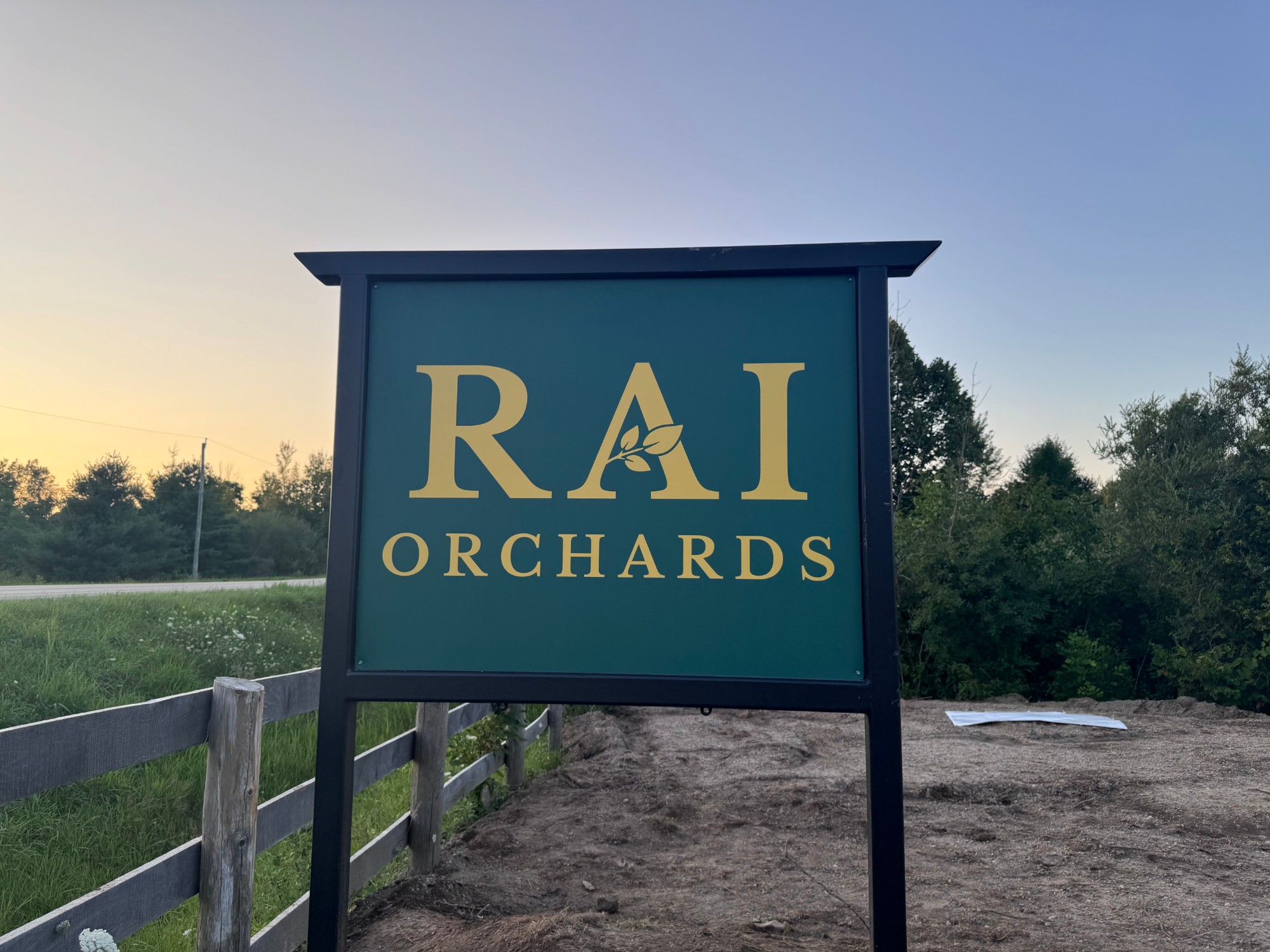
Rai Orchards is a family farm on Wellington 35 in Puslinch. We planted our first block in 2021 and we've been learning the ground ever since.
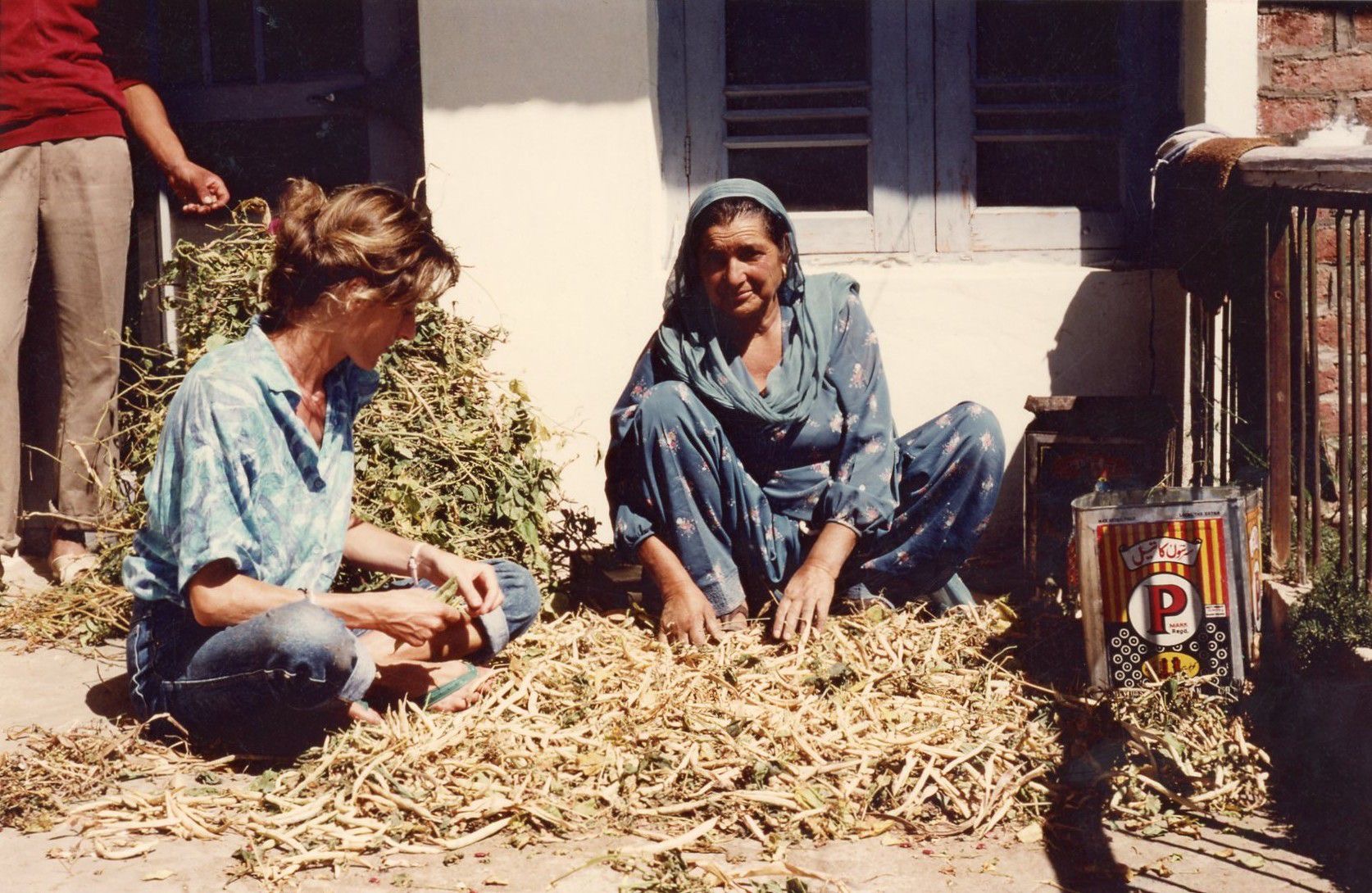
Fruit farming runs in the family. Our people grew apples and pears in the Kashmir Valley, on ground that asked for patience — thin soil, hard winters, and a habit of doing things by hand because there was no other way. When we bought this land, that's the way we knew how to farm.
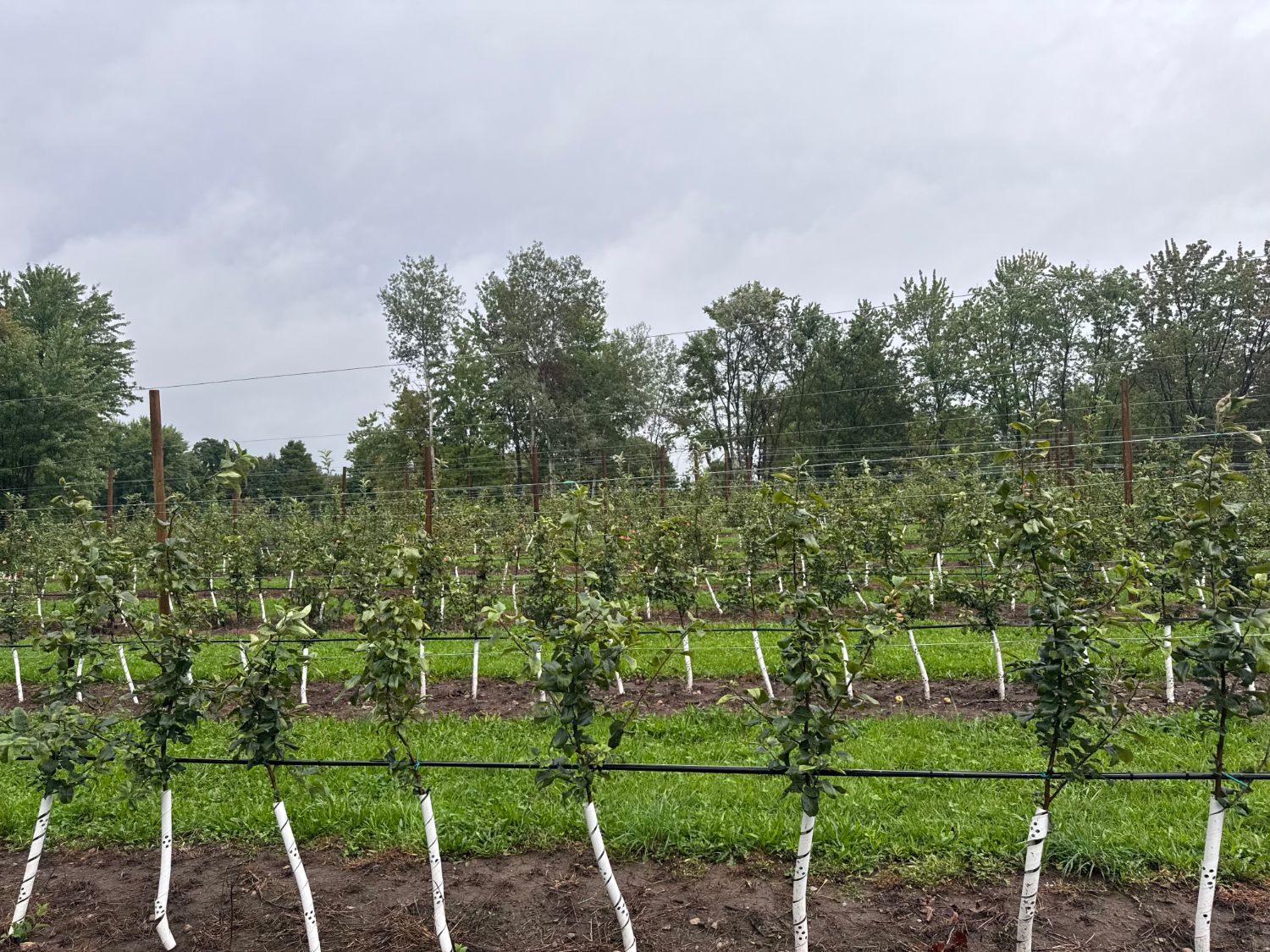
So we planted slowly. Honeycrisp, Gala, Ambrosia and Fuji in the apple blocks; Bartlett, Bosc and Dewdrop in the pears; a few rows of peaches that ripen early and keep us busy through August. Young trees don't hurry, and we've stopped trying to make them.
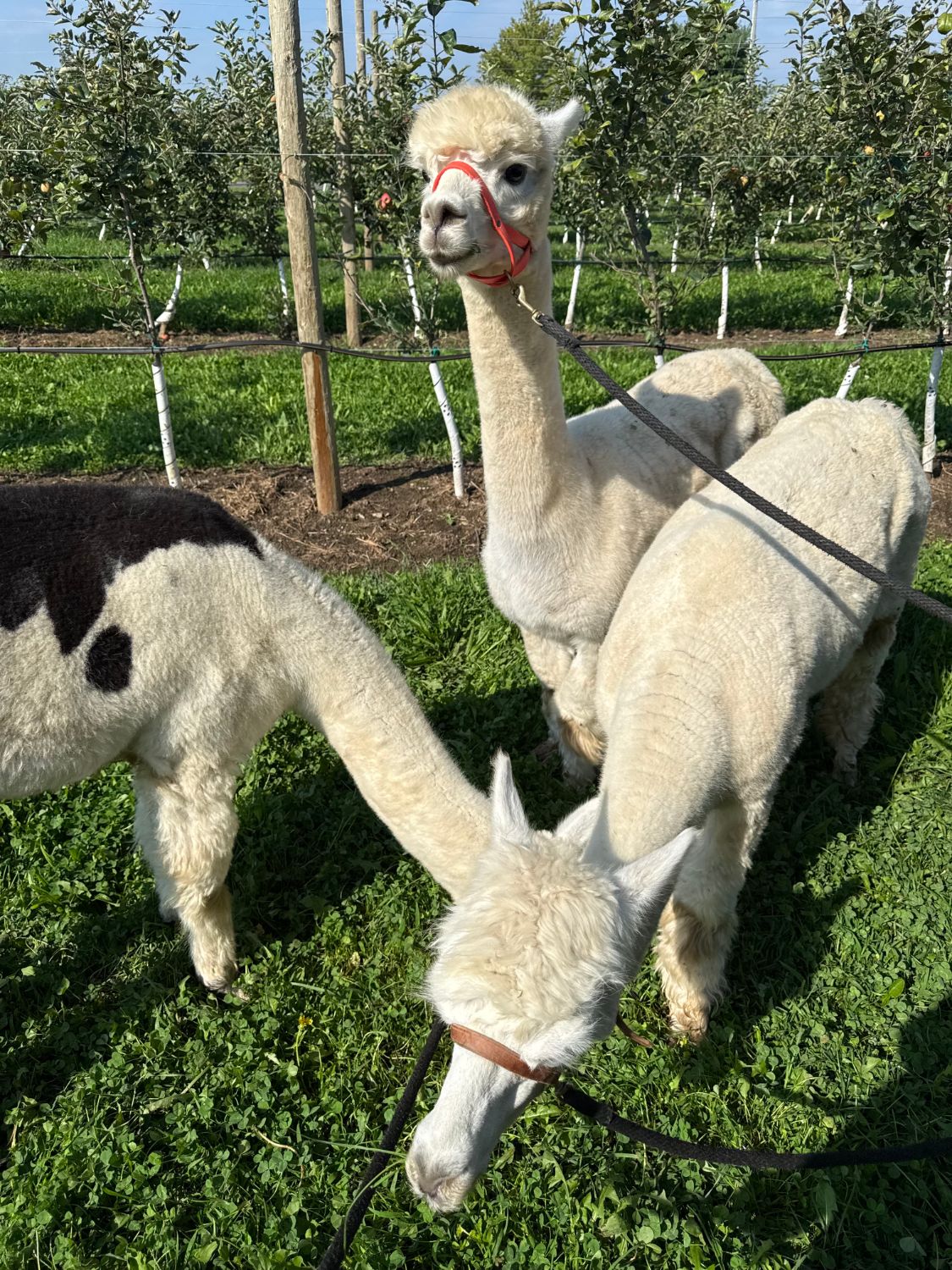
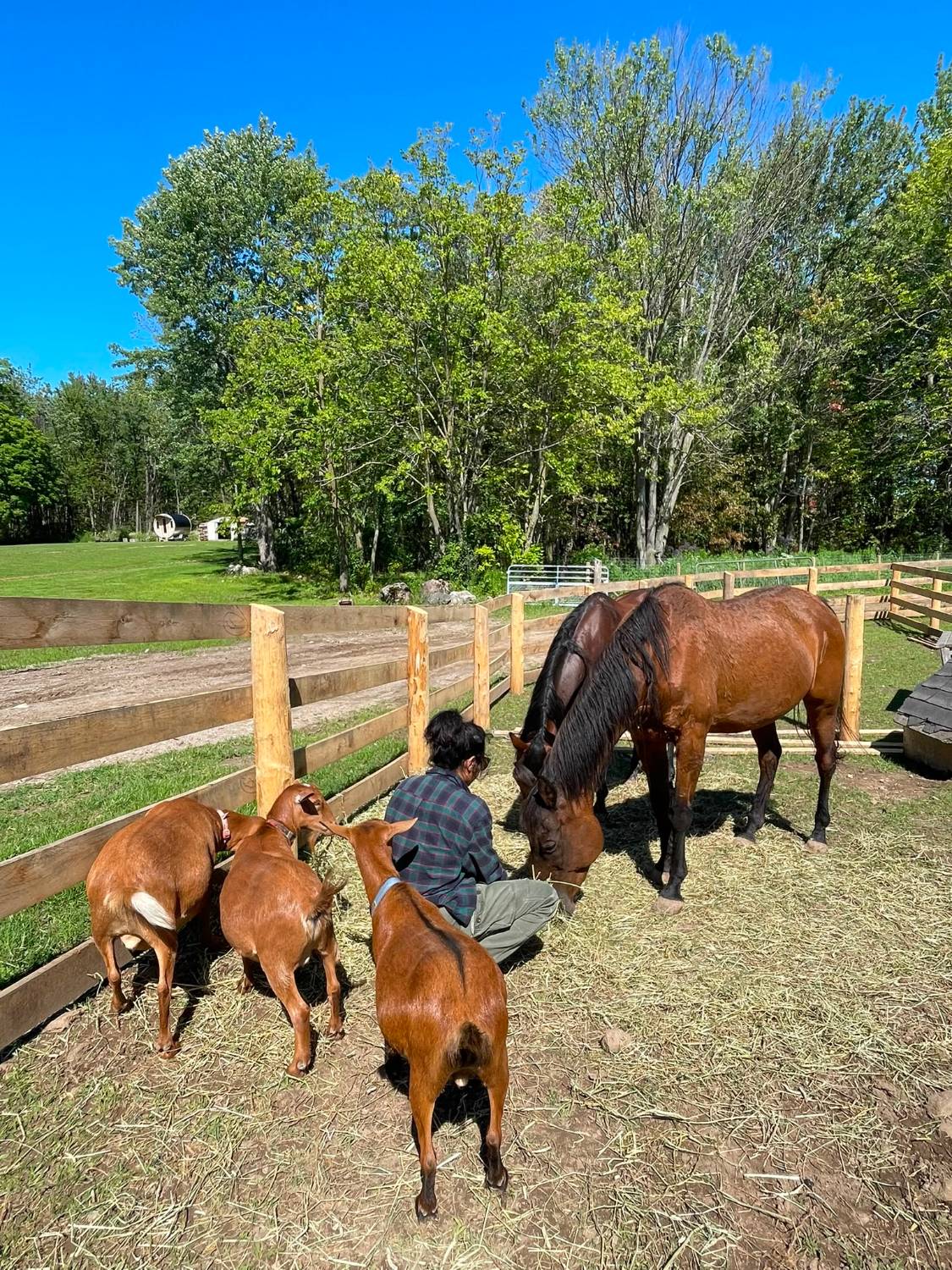
The animals came next, and not entirely on purpose. Mabel the donkey, three goats with no respect for fencing, a pair of horses, the mini horses, the sheep, and the alpacas who wander the rows like they're supervising. They earn their keep by making everyone who visits stay an hour longer than they meant to.
What we're growing toward
More than a place to pick fruit.
We want this to be a gathering place as much as a farm — seasons marked by harvest days and open evenings, a market where growers, makers and cooks share a table, a kitchen that turns what we pick into something worth lingering over, and children learning where food comes from with their hands in the soil.
Visit the orchard
Come see it for yourself
Friday to Sunday, 10am to 6pm, with the farm shop open Monday to Thursday, 9am to 6pm. Through October 31. 3977 Wellington 35, Puslinch.
Plan your visitLand acknowledgement
Rai Orchards is located in Puslinch, on the traditional territory of the Hatiwendaronk and within the Treaty Lands and Territory of the Mississaugas of the Credit First Nation. We recognize the Mississaugas of the Credit as the Anishinaabe treaty holders of the Between the Lakes Treaty No. 3, first negotiated in 1784 and confirmed in 1792. We also recognize the enduring relationships of the Haudenosaunee, including Six Nations of the Grand River, with this territory.
As settlers who live, care for, and grow food on these lands, we are committed to respecting Indigenous sovereignty and self-determination. We have a responsibility to continually learn the histories and living treaty relationships of this territory, uphold Indigenous treaty rights, and care for the land and water with humility.
We believe that acknowledgement should be accompanied by material action. As our orchard grows, we will look for concrete ways to practice reciprocity and redistribution, and we will share those commitments openly when we undertake them. We understand these actions not as charity or as a way of discharging our responsibilities, but as part of an ongoing effort to reckon with the fact that our ability to occupy, cultivate, harvest from, and earn income from this land exists within an ongoing system of settler colonialism.
Treaty relationships are living relationships, and we understand ourselves as settlers with ongoing responsibilities within them. We are committed to listening to Indigenous-led calls for justice and Land Back and to allowing what we learn to shape how we relate to this land over time.
We offer our gratitude to the generations of Indigenous peoples who have cared for these lands since time immemorial, and to those who continue to exercise stewardship, sovereignty, and responsibility toward them today.
“Gratitude comes first, but gratitude alone is not enough.”